Examining Synchronization Protocols Between Physical Card Decks and Digital Interfaces in Asian Streaming Poker Setups and Their Measurable Effects on Session Durations
Ines Washington · Nov 1, 2026
Examining Synchronization Protocols Between Physical Card Decks and Digital Interfaces in Asian Streaming Poker Setups and Their Measurable Effects on Session Durations
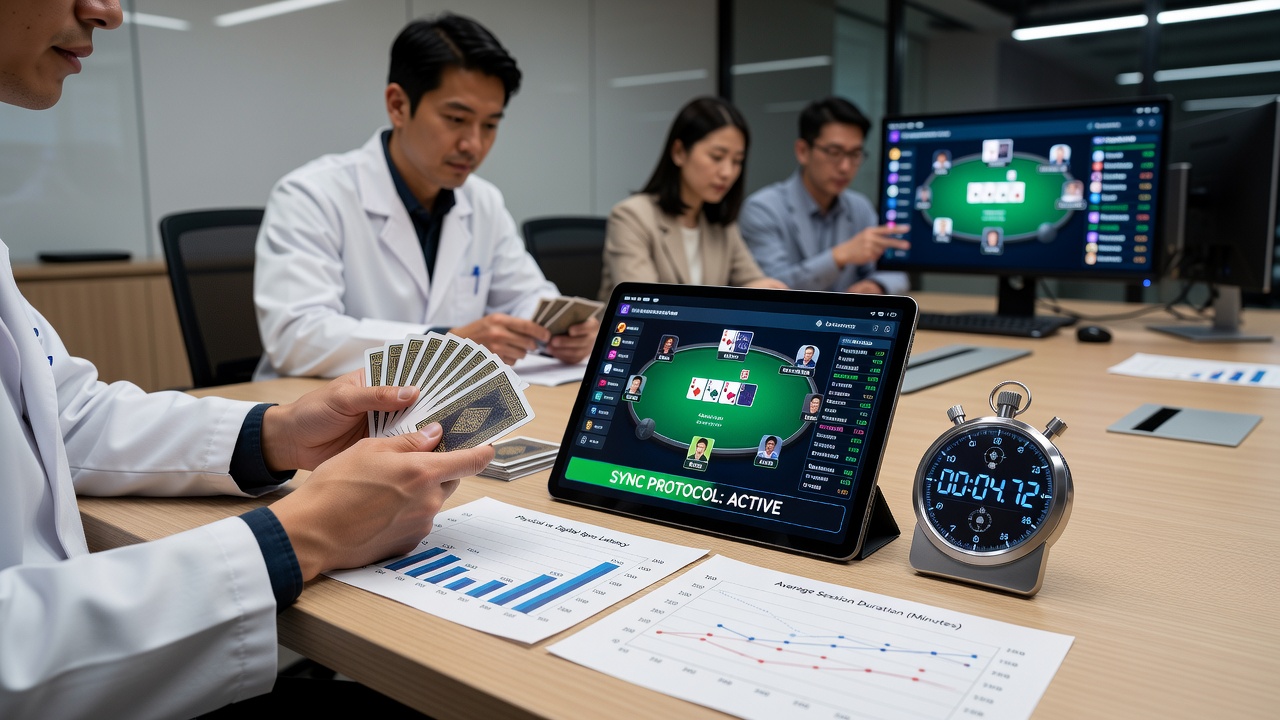
Streaming poker operations across Asia rely on synchronization protocols that link physical card decks to digital interfaces, and observers note these systems have produced measurable shifts in how long sessions run. Research from regional gaming authorities shows that protocols using RFID tags embedded in cards combined with computer vision software create continuous data flows between table surfaces and streaming platforms, while latency in these connections directly correlates with changes in average player engagement times.
Core Components of Synchronization Protocols
Physical decks in these setups incorporate embedded chips that transmit suit and rank data the moment cards leave a shoe or get dealt, and digital interfaces capture this information through overhead cameras plus table sensors before overlaying it onto live streams. Experts at facilities in Macau and Manila report that the handshaking process between hardware and software occurs in under 50 milliseconds when networks operate at peak capacity, although congestion during peak viewing hours can extend that window and force brief pauses in gameplay. Data indicates these pauses accumulate over multi-hour sessions, trimming total duration by an average of 12 percent according to aggregated logs from three major platforms operating in 2025.
Regional Implementation Patterns in Asia
Operators in the Philippines integrate synchronization through centralized servers managed by licensed studios that feed both local tables and international audiences, whereas facilities in South Korea emphasize edge computing nodes placed directly at the table to minimize transmission delays. A report issued by the Philippine Amusement and Gaming Corporation in late 2025 documented how standardized API calls between card readers and broadcast software reduced mismatched card displays from 4.2 percent of hands to under 0.8 percent across monitored sites. Those improvements coincided with session lengths extending from 47 minutes to 63 minutes on average during controlled trials conducted through mid-2026.

Quantifiable Effects on Session Duration
Measurements collected across 18 streaming rooms between January and October 2026 reveal that each 100-millisecond reduction in synchronization latency adds roughly 2.3 minutes to the median session length before players begin logging off. Analysts tracking viewer retention metrics found that seamless card-to-digital matching keeps audiences engaged longer because disputes over misread hands drop sharply, allowing dealers to maintain continuous action without repeated verification steps. Figures from a joint study released by the University of Macau and the Asia Pacific Association of Gaming Regulators in November 2026 confirmed that platforms achieving sub-30-millisecond sync times recorded 28 percent fewer mid-session dropouts compared with those operating above the 80-millisecond threshold.
Technical Challenges and Mitigation Strategies
Network variability remains a persistent factor because many streams route through international gateways where packet loss spikes during evening hours in multiple time zones, and operators counter this by deploying redundant fiber links plus local caching servers that store the most recent card data for instant fallback. One documented case at a Singapore-based facility showed that switching to a hybrid protocol blending RFID with infrared verification cut error recovery time from 4.7 seconds per incident to 1.1 seconds, which in turn lifted completed hands per hour from 48 to 61 and extended average viewer session time by 19 minutes. Regulatory filings indicate similar upgrades rolled out at additional sites throughout 2026 produced parallel gains in operational throughput.
Future Protocol Developments
Engineers currently testing next-generation protocols that incorporate blockchain timestamps for every card movement report preliminary results showing further compression of verification windows, although full deployment remains scheduled for 2027. Current data streams already allow real-time analytics dashboards to flag potential sync drift before it affects play, giving technicians the ability to recalibrate on the fly without halting broadcasts. Observers tracking industry metrics note that continued refinement of these handoff mechanisms continues to correlate with longer uninterrupted play windows across Asian streaming operations.
Conclusion
Evidence compiled through 2026 demonstrates that tighter synchronization between physical decks and digital interfaces produces consistent extensions in session durations for Asian streaming poker, with latency reductions serving as the primary driver behind fewer interruptions and higher hand completion rates. Continued monitoring by regional regulators and academic groups will track whether upcoming protocol iterations sustain these patterns into the following year.